Shanghai
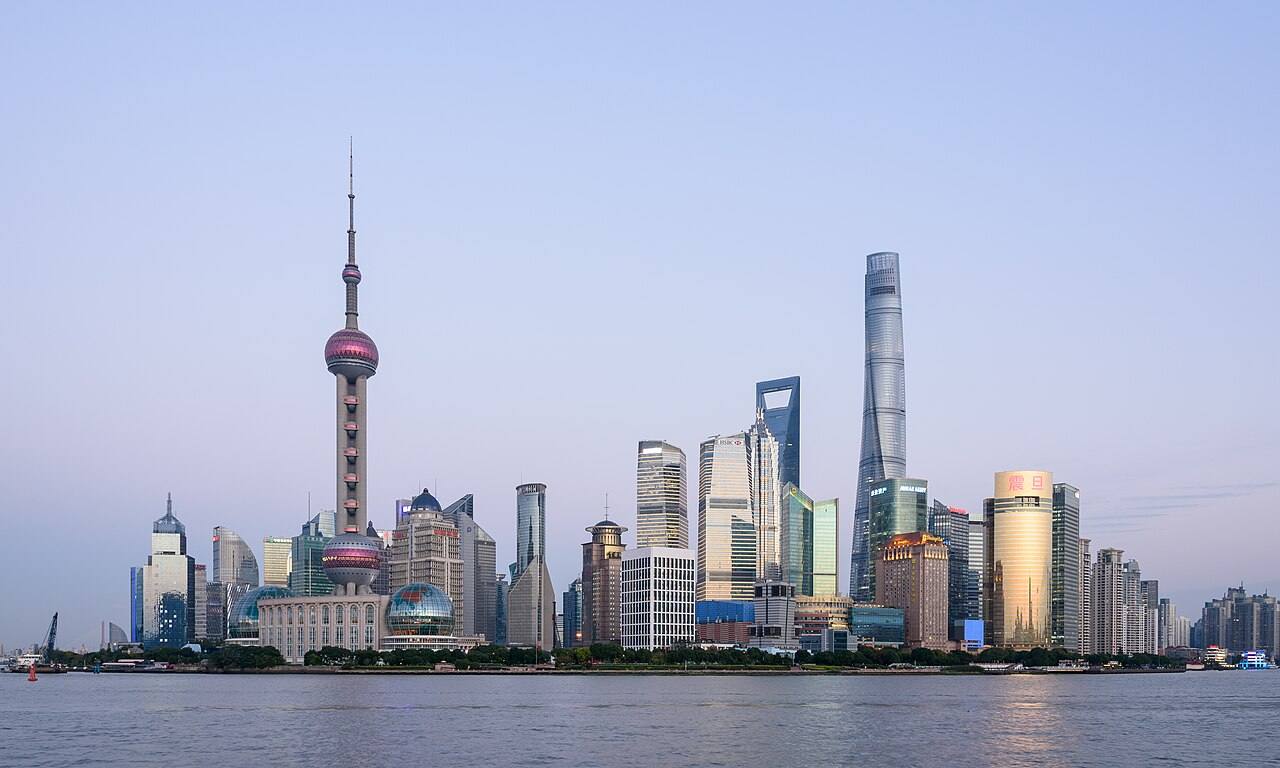
Shanghai is often the first stop for international companies. Finance, consulting, design, and education roles cluster here. Neighborhoods like Former French Concession streets, Jing’an, and parts of Pudong offer very different daily rhythms. Public transport is extensive; English signage is relatively common in central districts.
Photo: Pudong skyline — King of Hearts / Wikimedia Commons, CC BY-SA 4.0
Beijing
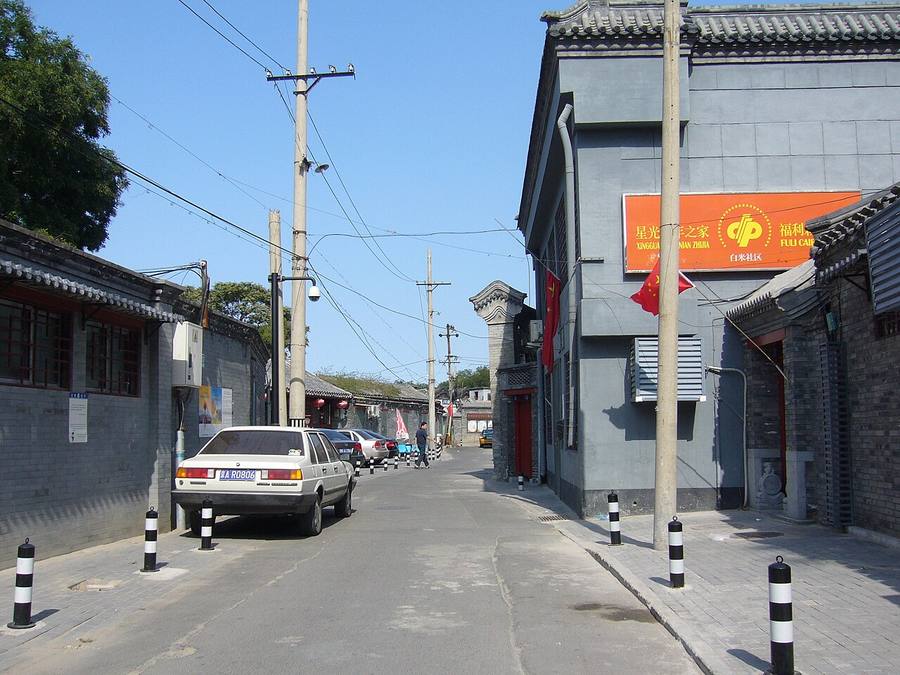
As the capital, Beijing hosts embassies, universities, research institutes, and many headquarters. Winters are cold and dry; summers can be hot. Hutong neighborhoods near the Second Ring contrast with newer business districts further out. Air quality varies by season — check local forecasts and apartment filtration if you are sensitive.
Photo: Hutong alley — Caitriana Nicholson / Wikimedia Commons, CC BY-SA 2.0
Shenzhen
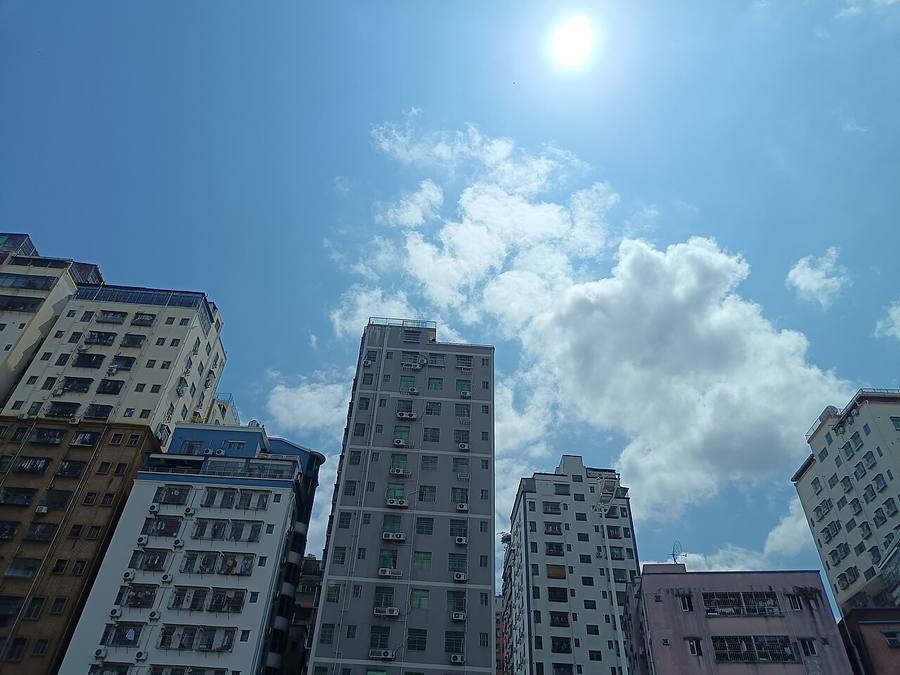
Shenzhen grew quickly into a technology and manufacturing center next to Hong Kong. The workforce tends to be younger, and English usage varies widely by industry. Districts such as Nanshan and Futian concentrate offices; coastal areas offer weekend walks. Cross-border travel to Hong Kong is a practical perk for many residents.
Photo: Shenzhen skyline — Fumikas Sagisavas / Wikimedia Commons, CC0
Chengdu
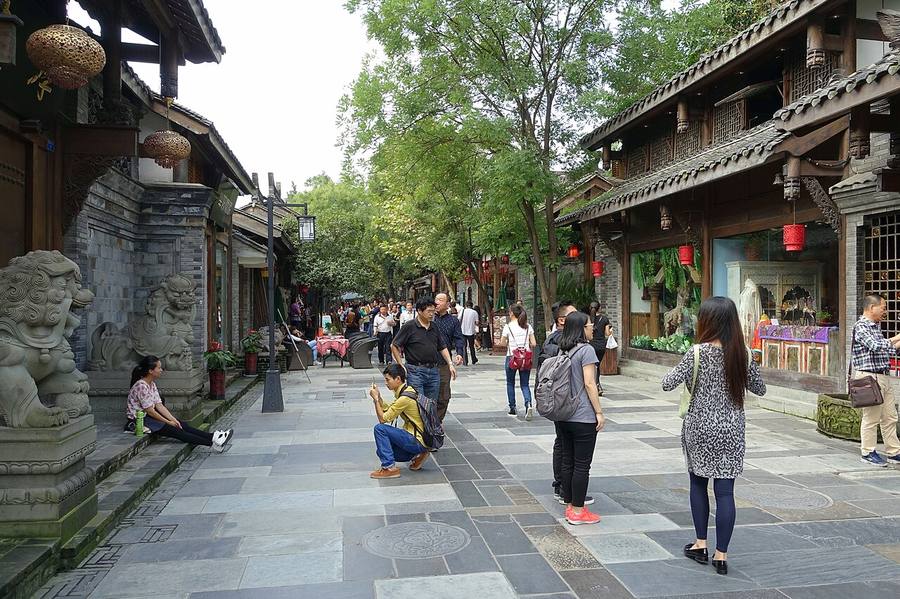
Chengdu is known for a relaxed lifestyle and Sichuan cuisine. Creative industries, gaming, and some tech roles have expanded here. Living costs are often lower than coastal tier-one cities. Historic alley areas and teahouse culture remain part of the city’s identity alongside modern malls and metro lines.
Photo: Kuanzhai Alleys — Daderot / Wikimedia Commons, CC0
Guangzhou
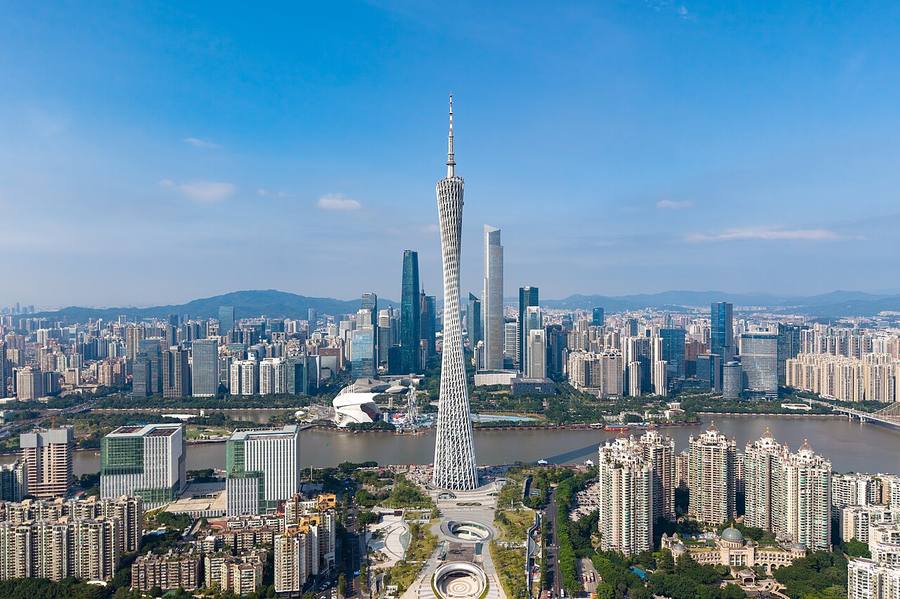
Guangzhou is a major trade and logistics hub in the Pearl River Delta. Cantonese is widely spoken alongside Mandarin. The city’s food culture is famous, and neighborhoods range from traditional riverside streets to newer business towers. Warm, humid weather is the norm for much of the year.
Photo: Canton Tower — Tim Wu / Wikimedia Commons, CC BY-SA 4.0
